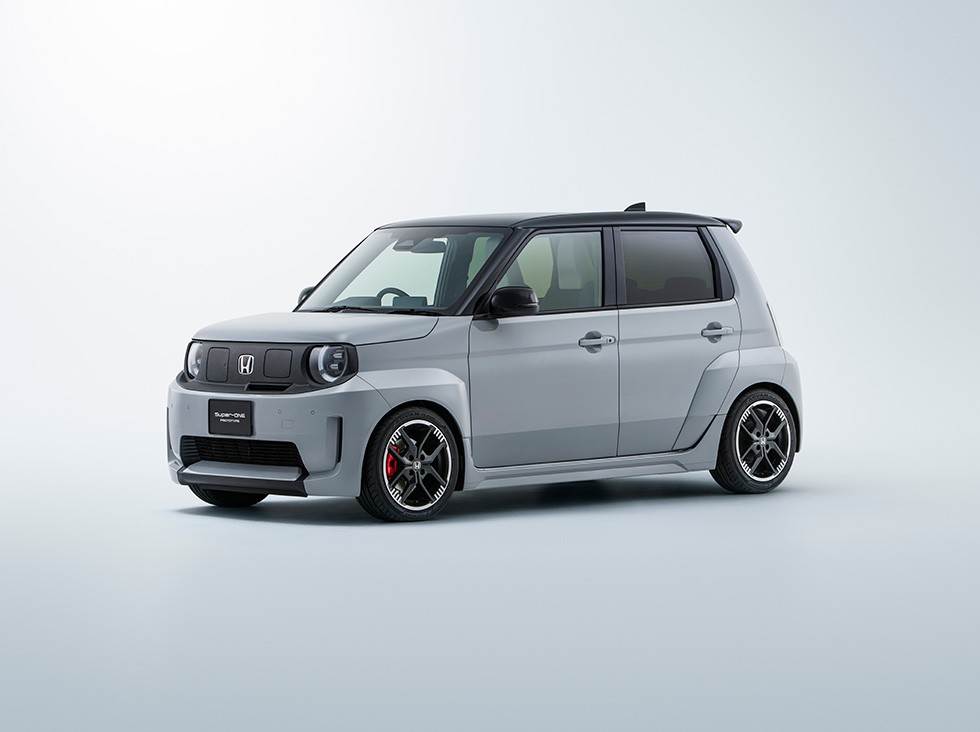
Honda 0 Series
UIUX system
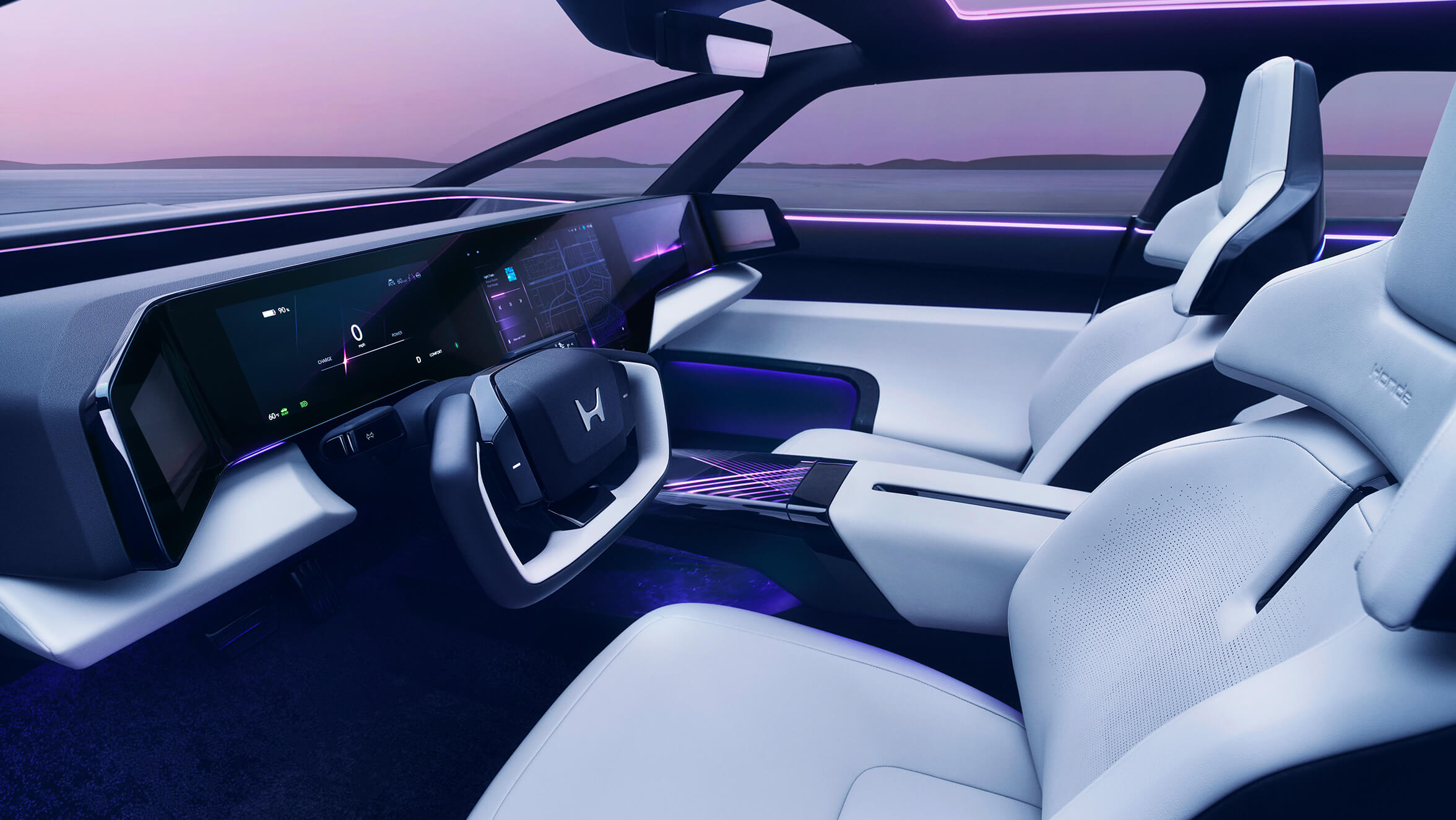
Redefining how drivers perceive the vehicle in motion — from display to perception. A next-generation HMI system built around concept of Instant Contorl, Intuitive recognization
* Production assets remain confidential.
* Production assets remain confidential.

Honda R&D
Honda R&D

20 months
20 months

UI/UX Designer (Cluster & Central Display)
UI/UX Designer

HMI System
HMI System
Project overview
Project overview
From display → perception
From display → perception
Honda's 0 Series marks a fundamental shift in the brand's approach to electric mobility — not just a new powertrain, but a new relationship between the driver and the vehicle. The design challenge was to match that ambition at the interface layer.
Honda's 0 Series marks a fundamental shift in the brand's approach to electric mobility — not just a new powertrain, but a new relationship between the driver and the vehicle. The design challenge was to match that ambition at the interface layer.
The project focused on two core systems: the instrument cluster and the central information display. Rather than redesigning individual screens, the goal was to establish a new perceptual framework — one where information hierarchy, AI autonomy, and spatial logic work together to reduce cognitive load and increase driver confidence.
The project focused on two core systems: the instrument cluster and the central information display. Rather than redesigning individual screens, the goal was to establish a new perceptual framework — one where information hierarchy, AI autonomy, and spatial logic work together to reduce cognitive load and increase driver confidence.
Responsibiilities
Responsibiilities
Designing the system, not just the screens
Designing the system, not just the screens
System architecture
Defined the three-layer cluster model and the concentric-arc CID hierarchy — establishing how information priority maps to spatial position.
Interaction design
Designed the scroll-wheel layer switching mechanic for the cluster, and the near/mid/far arc interaction model for the CID.
Cross-team alignment
Coordinated with CG, sound, and engineering to ensure the visual framework mapped to physical vehicle states and sensor inputs.
Prototype delivery
Built interactive high-fidelity prototypes in Figma and ProtoPie for stakeholder review and concept validation.
System architecture
Interaction design
Cross-team alignment
Prototype delivery
Problem & Challenge
Problem & Challenge
The UI was readable. But not understandable.
The UI was readable. But not understandable.
Challenge 01
UI was readable, but not understandable
Information overload during active driving — the cluster and CID operated as disconnected displays rather than one coherent system.
Challenge 01
UI was readable, but not understandable
Information overload during active driving — the cluster and CID operated as disconnected displays rather than one coherent system.
Challenge 02
No hierarchy — everything always on
Speed, ADAS status, and navigation occupied the cluster simultaneously with equal visual priority.
Challenge 02
No hierarchy — everything always on
Speed, ADAS status, and navigation occupied the cluster simultaneously with equal visual priority.
Challenge 03
Screen-centric CID layout
Information was organized around the screen's grid logic — not the driver's spatial position.
Challenge 03
Screen-centric CID layout
Information was organized around the screen's grid logic — not the driver's spatial position.
Insight
Insight
The driver's body already knows where to look.
The interface just has to agree.
The driver's body already knows where to look.
The interface just has to agree.
A driver reaching for a control doesn't decide — they move. The redesign maps information priority directly to physical distance from the driver, so the most critical data is always where the eye already rests.
A driver reaching for a control doesn't decide — they move. The redesign maps information priority directly to physical distance from the driver, so the most critical data is always where the eye already rests.
Design Principle
Design Principle
Instant recognition, Intuitive Control
Instant recognition, Intuitive Control
01
Instant recognition
Information should be understood at a glance. No thinking, just seeing. If the driver has to read, the design has failed.
01
Instant recognition
Information should be understood at a glance. No thinking, just seeing. If the driver has to read, the design has failed.
02
Intuitive control
Intuitive control
Everything centers around the driver. Interaction follows natural spatial logic — reach instinct, not learned menu hierarchy.
Everything centers around the driver. Interaction follows natural spatial logic — reach instinct, not learned menu hierarchy.
03
Spatial integration
UI is not a screen. It is part of the cockpit space. Distance from driver encodes priority — the layout is the message.
03
Spatial integration
UI is not a screen. It is part of the cockpit space. Distance from driver encodes priority — the layout is the message.
04
Visual simplicity
Visual simplicity
Reduce noise. Highlight what matters. One focused layer at a time — not everything competing simultaneously.
Reduce noise. Highlight what matters. One focused layer at a time — not everything competing simultaneously.

* Visuals limited to publicly released UI. Internal flows and wireframes are omitted per NDA.
* Visuals limited to publicly released UI. Internal flows and wireframes are omitted per NDA.
Design Decision01 — Cluster
Design Decision01 — Cluster
One thumb motion. No eyes off road
One thumb motion. No eyes off road
Any given moment, only one driving information layer is the primary view. The scroll wheel on the steering wheel switches between three layers — each corresponding to a distinct driver intent.
Any given moment, only one driving information layer is the primary view. The scroll wheel on the steering wheel switches between three layers — each corresponding to a distinct driver intent.
Before - 2023
Speed, ADAS status, and navigation occupied the cluster simultaneously at the same visual weight. No priority hierarchy — the driver assembled meaning by scanning.
Speed, ADAS status, and navigation occupied the cluster simultaneously at the same visual weight. No priority hierarchy — the driver assembled meaning by scanning.
↓ thumb wheel switches layer
Meter
Speed · gear · range
Speed · gear · range
Default layer
ADAS
Cruise Control · lane · alert
Cruise Control · lane · alert
Layer in Autopilot
Map
Route · junction
Route · junction
Anytime layer

* Visuals limited to publicly released UI.
* Visuals limited to publicly released UI.
Design Decision02 — Center Display
Design Decision02 — Center Display
Distance = priority
Distance = priority
The central display reorganized as concentric arcs centered on the steering wheel. Closer to the driver = more critical. No memorization required — spatial instinct takes over.
The central display reorganized as concentric arcs centered on the steering wheel. Closer to the driver = more critical. No memorization required — spatial instinct takes over.
Before - screen-centric layout
High-frequency controls sat behind the same tap depth as rarely-used settings. Drivers searched rather than reached.
Driver
Screen edge
Near — closest to driver
Immediate awareness
ADAS status · speed · collision alert
High priority
Mid
Contextual understanding
Navigation map · media · ETA
Mid priority
Far — screen outer edge
Deferred actions
Climate · settings · passenger controls
Lower priority
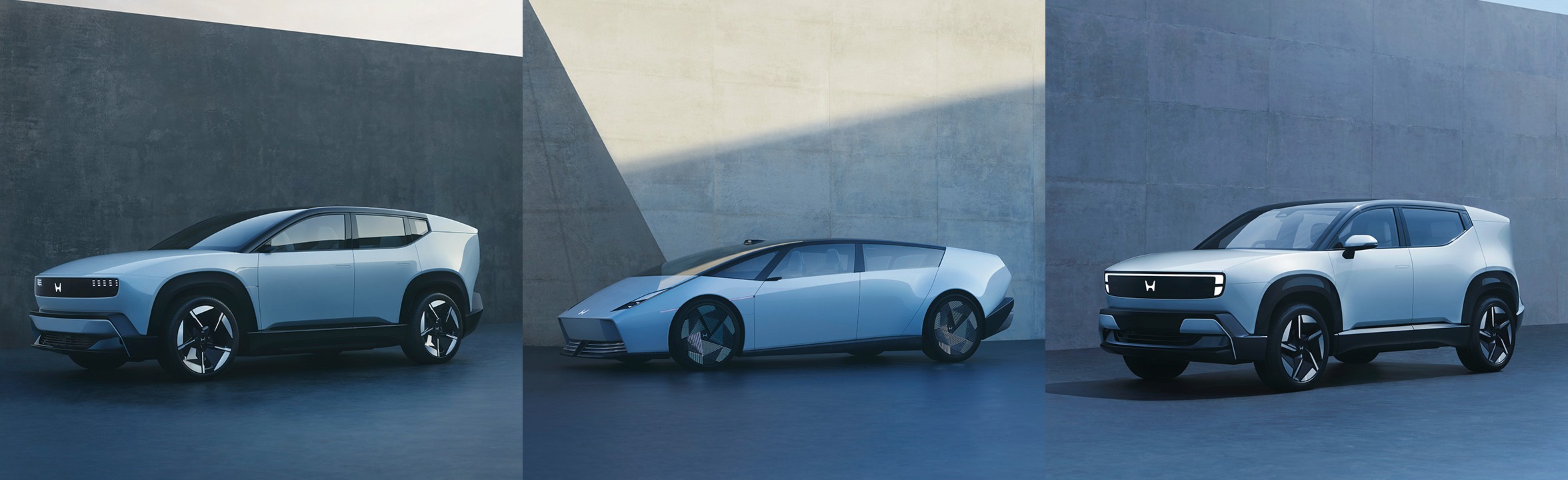
Honda 0 series :Honda 0 Suv, Honda 0 Saloon, Honda 0 α
Honda 0 series :Honda 0 Suv, Honda 0 Saloon, Honda 0 α
Result & Looking Ahead
Result & Looking Ahead
Strong reception. Shifting ground.
Strong reception. Shifting ground.
CES + Japan Mobility Show
Exhibited to broad acclaim at both shows. The reception confirmed appetite for Honda's new design direction — and demonstrated that a perception-first HMI resonates well beyond the automotive press. The system already exists in the world, even before it ships.
Exhibited to broad acclaim at both shows. The reception confirmed appetite for Honda's new design direction — and demonstrated that a perception-first HMI resonates well beyond the automotive press. The system already exists in the world, even before it ships.
US market — suspended
Three 0 Series SUVs planned for the US market have been put on hold following a strategic realignment in March 2025.
Three 0 Series SUVs planned for the US market have been put on hold following a strategic realignment in March 2025.
India market — 2027
One SUV targeting the India market in 2027 remains on schedule and is expected to carry this system.
One SUV targeting the India market in 2027 remains on schedule and is expected to carry this system.
2
Core systems delivered
2027
Market Launch Year
2×
Major show exhibitions
NDA
Assets pending public release
2
Core systems delivered
2×
Major show exhibitions
2027
Market Launch Year
NDA
Assets pending public release
next project