

Super-ONE Prototype

Super-ONE Prototype

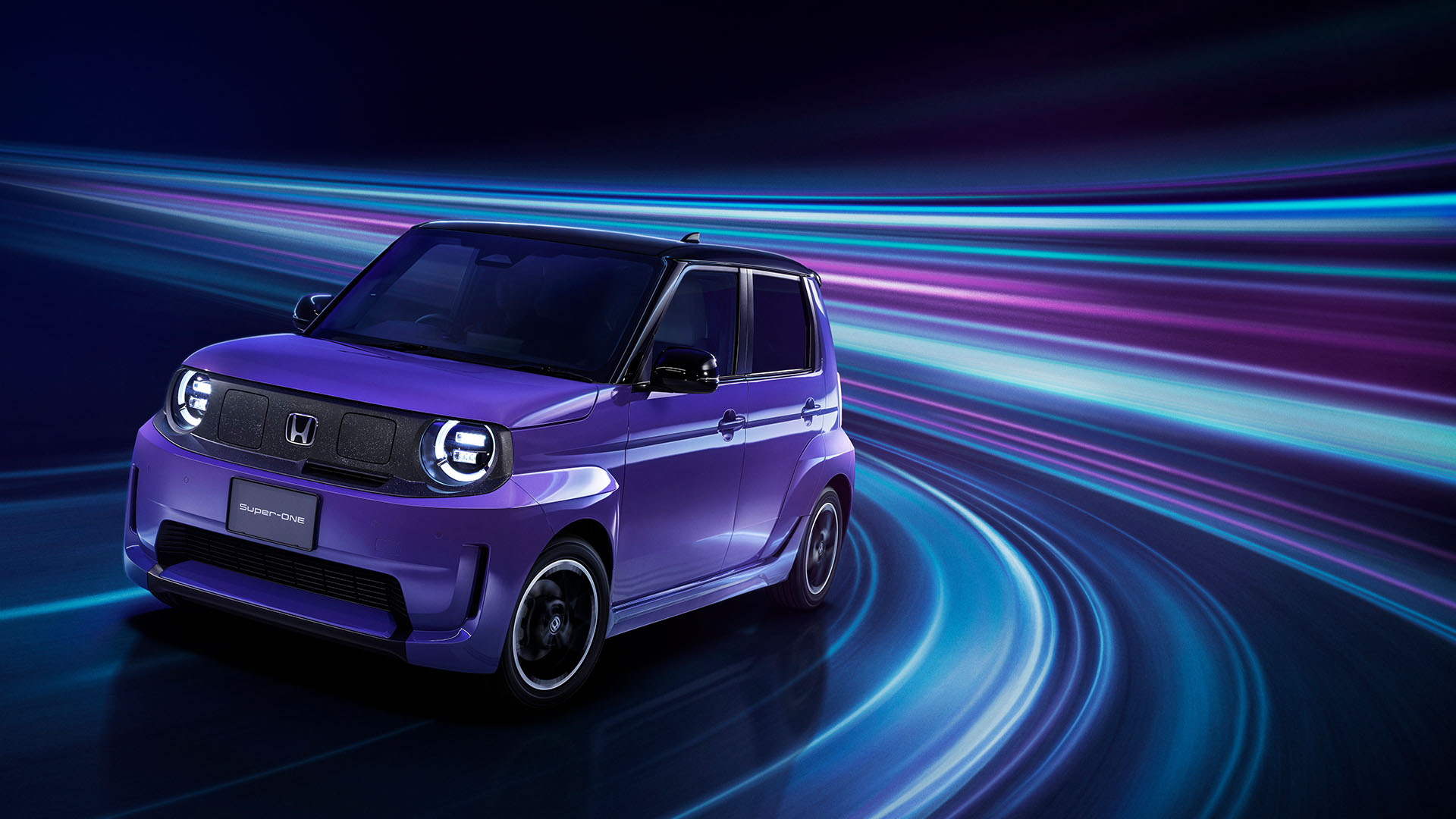
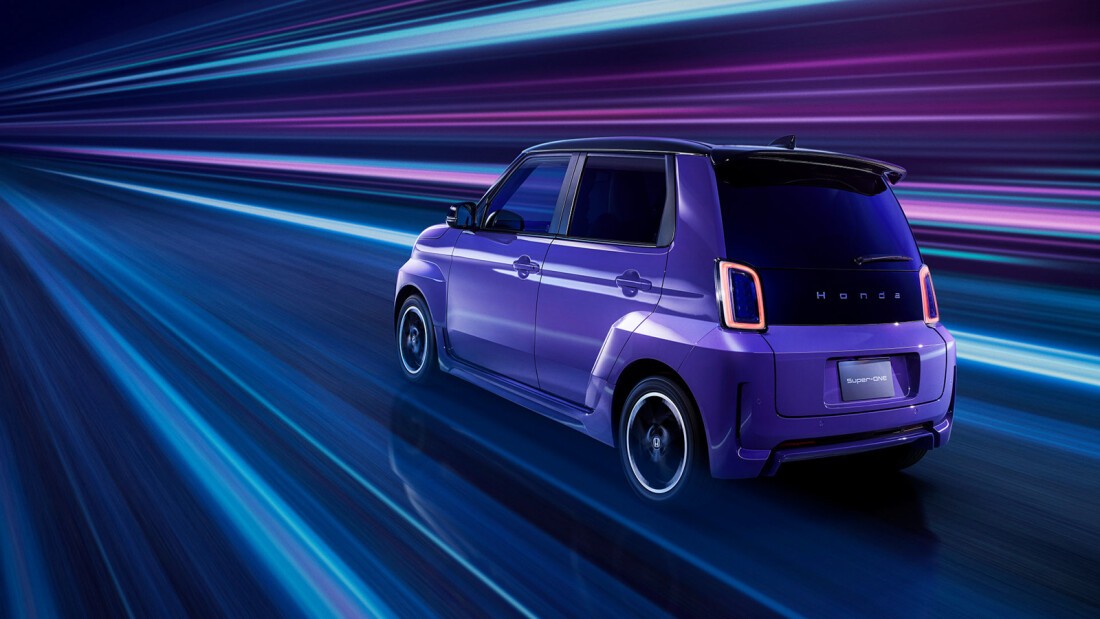
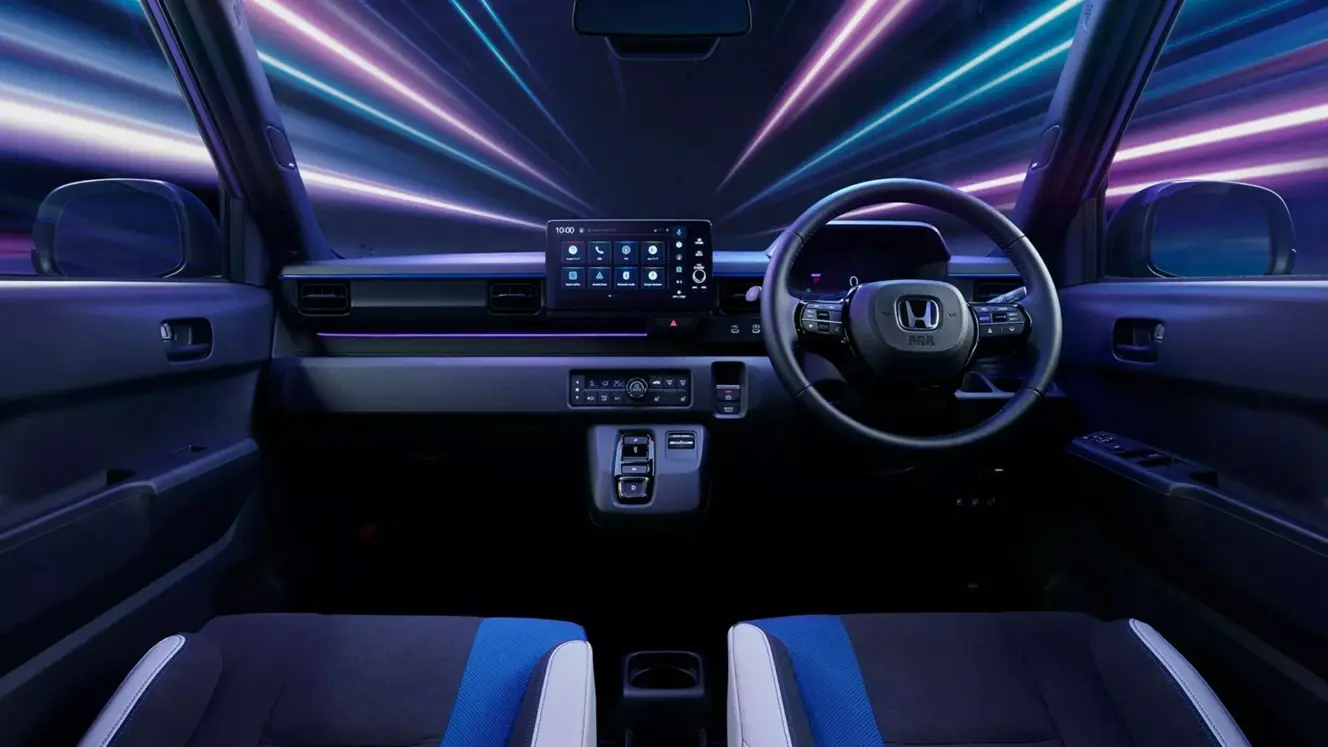
Led UX/Motion design for two core function in Honda's Super-ONE, an electric hot-hatch unveiled at the 2025 Japan Mobility Show.

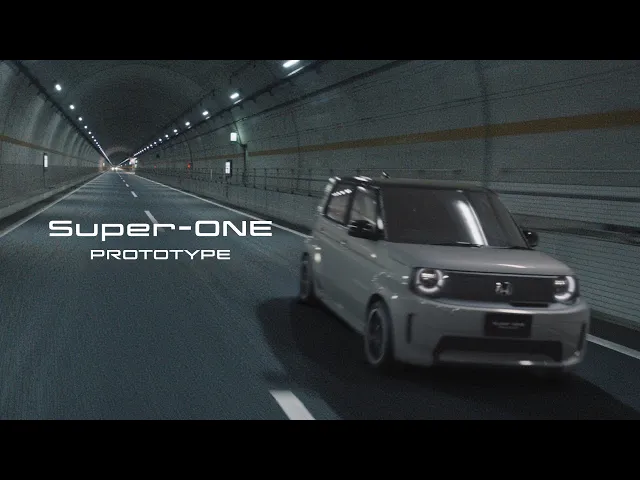
Led Motion design for two core HMI systems on Honda's Super-ONE Prototype, a concept electric hot-hatch unveiled at the 2025 Japan Mobility Show.

*Shown within public disclosure guidelines.

*Shown within public disclosure guidelines.

Honda R&D

Honda R&D

6 months

6 months

GUI Designer

GUI Designer

UI & Motion Graphic

UI & Motion Graphic

Project Overview

Project Overview

Redefining the EV driving experience as something visceral, expressive, and distinctly Honda. Final production assets remain confidential pending the vehicle's market launch across Japan and Europe in 2025–2026 early half.

Built on the K-car platform, the project focuses on Boost Mode interaction and new branding integration. CID is out of scope.

Redefining the EV driving experience as something visceral, expressive, and distinctly Honda. Final production assets remain confidential pending the vehicle's market launch across Japan and Europe in 2025–2026 early half.

Built on the K-car platform, the project focuses on Boost Mode interaction and new branding integration. CID is out of scope.

Role

Role

As the UI/Motion Design Lead on this project, I was responsible for two core motion systems: both serving as the primary emotional touchpoints between the driver and the vehicle's character.

As the UI/Motion Design Lead on this project, I was responsible for two core motion systems: both serving as the primary emotional touchpoints between the driver and the vehicle's character.

Entry Experience Animation

Boost Mode motion language
Problem & Challenge

Problem & Challenge

The Super-ONE is not just another K-Car. It challenges the perception of compact EVs as purely functional tools — and asks: can daily driving feel genuinely exciting again?

The Super-ONE is not just another K-Car. It challenges the perception of compact EVs as purely functional tools — and asks: can daily driving feel genuinely exciting again?

Challenge 01

Heritage vs modernity

How do you communicate Honda's retro identity — rooted in 1980s K-Car culture — without making the EV feel nostalgic rather than forward-looking?

Challenge 01

Heritage vs modernity

How do you communicate Honda's retro identity — rooted in 1980s K-Car culture — without making the EV feel nostalgic rather than forward-looking?

Challenge 02

New era,
new energy

The motion language must feel contemporary and electric — appealing to a younger generation while staying true to the brand's DNA.

Challenge 02

New era,
new energy

The motion language must feel contemporary and electric — appealing to a younger generation while staying true to the brand's DNA.

Challenge 03

Joy within constraint

Within the K-Car form factor and a compact display, how do you create a sense of driving excitement — not just information delivery?

Challenge 03

Joy within constraint

Within the K-Car form factor and a compact display, how do you create a sense of driving excitement — not just information delivery?

Insight

Insight

Different eras share design instincts. Find those shared elements — and you can speak to both generations at once.

Different eras share design instincts. Find those shared elements — and you can speak to both generations at once.

Solution

Solution

The Super-ONE is not just another K-Car. It challenges the perception of compact EVs as purely functional tools — and asks: can daily driving feel genuinely exciting again?

The Super-ONE is not just another K-Car. It challenges the perception of compact EVs as purely functional tools — and asks: can daily driving feel genuinely exciting again?

Boot Animation

Retro-electric visual language

Hand-drawn line quality and stop-motion techniques were used to restore a tactile, analogue authenticity — evoking the warmth of 1980s animation while keeping energy and velocity unmistakably modern.

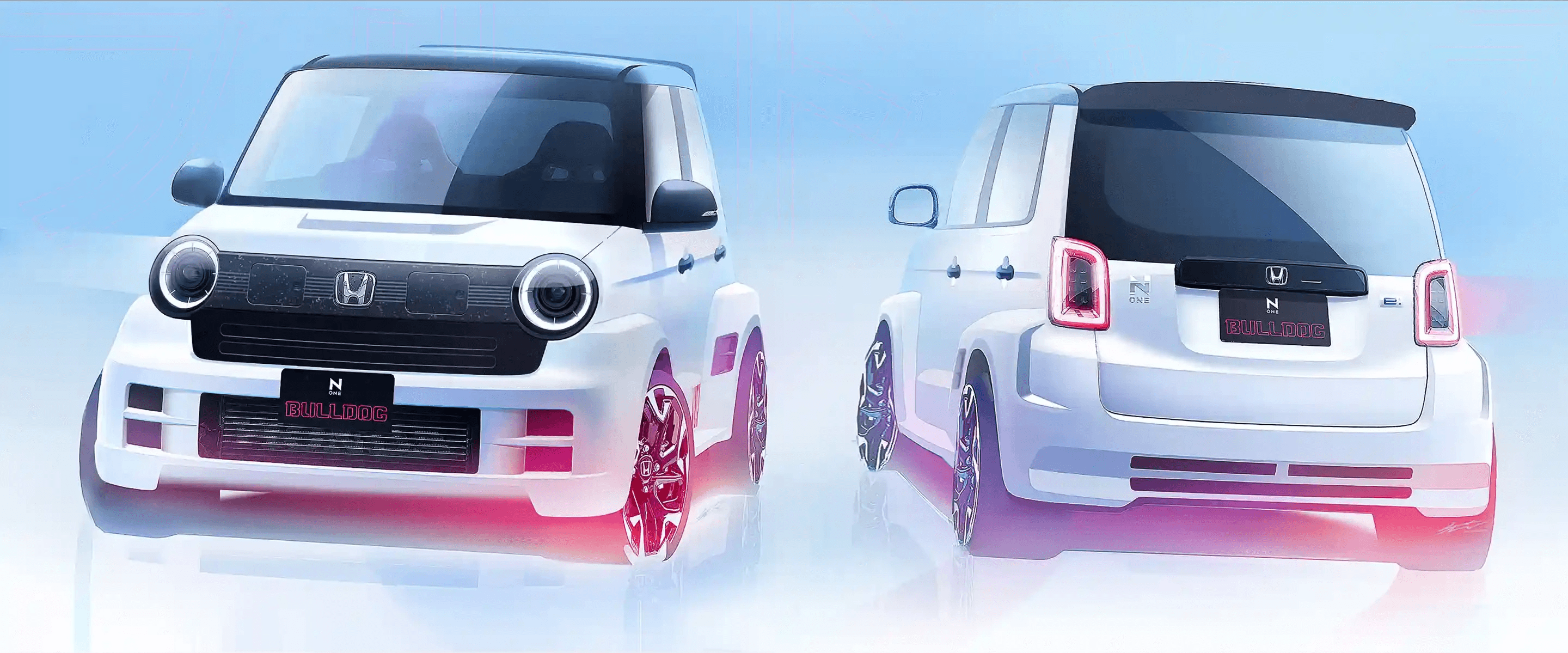
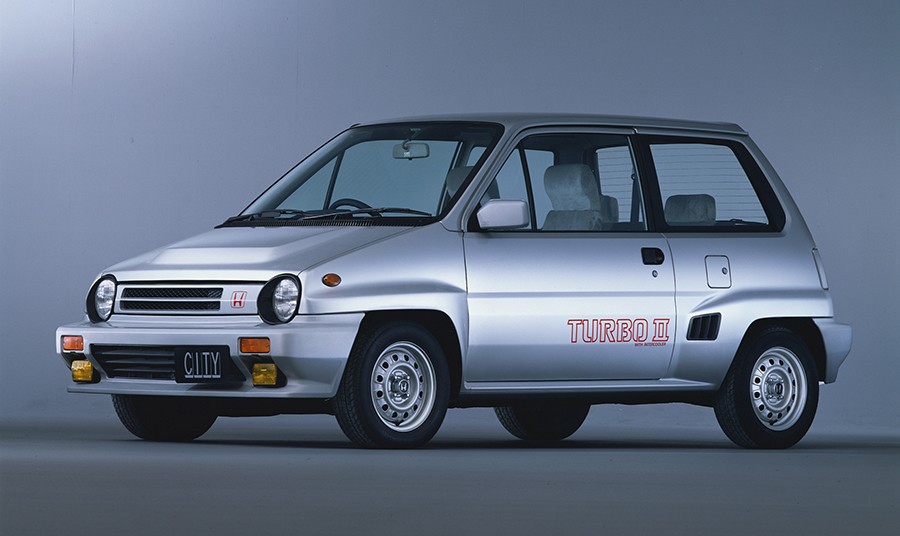
The City Turbo II (Bulldog) serves as the visual origin point, with lightning bridging its era to the electric Super-ONE — giving the driver a sense of lineage at ignition.

Boot Animation

Retro-electric visual language

Hand-drawn line quality and stop-motion techniques were used to restore a tactile, analogue authenticity — evoking the warmth of 1980s animation while keeping energy and velocity unmistakably modern.

The City Turbo II (Bulldog) serves as the visual origin point, with lightning bridging its era to the electric Super-ONE — giving the driver a sense of lineage at ignition.

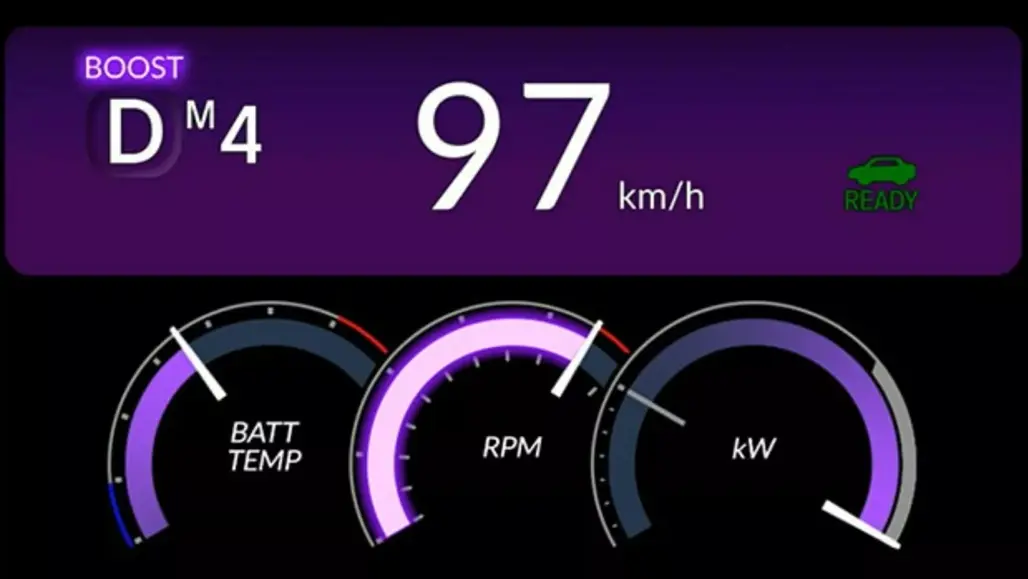
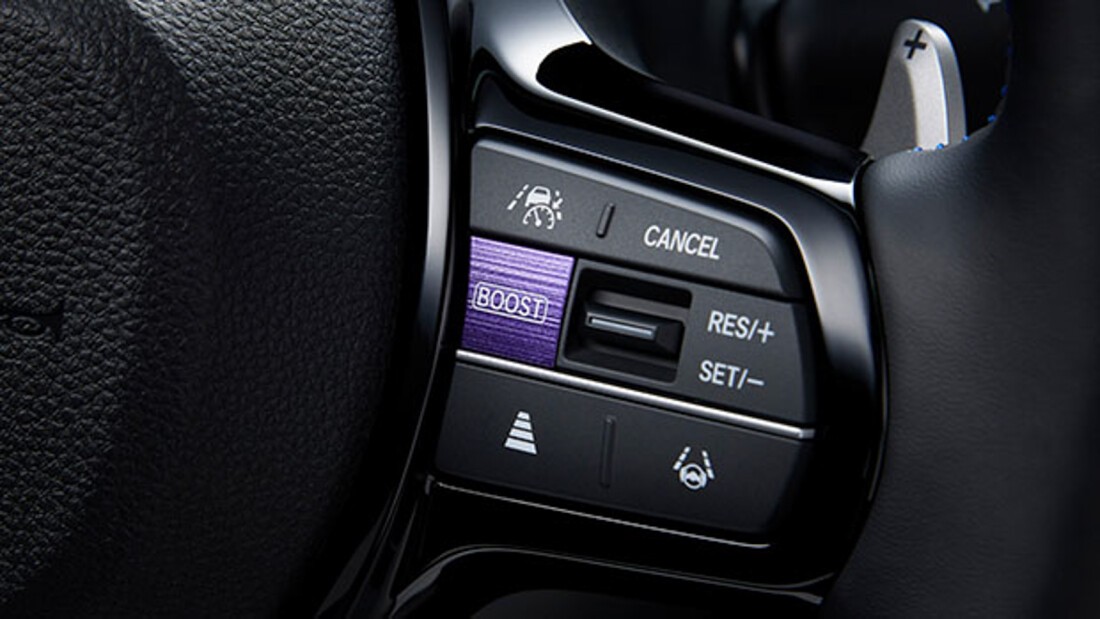
Boost Mode

Motion as driving sensation

The UI motion was designed to amplify the physical sensation of acceleration — even without looking at a meter, the driver can feel speed build through the rhythm of on-screen animation.

Transitions into Boost Mode are seamless and immediate, coordinated with the vehicle's sound and haptic feedback to create a unified sensory moment of engagement.
Result & Looking Ahead

The process was iterative and research-driven. Multiple visual directions were explored — each tested against the brand tone, the target emotion, and the physical constraints of an in-vehicle display.
The goal was to find a single motion language that felt unmistakably Honda, yet wholly new.

2

Motion systems delivered

2026

Market Launch Year

NDA

Assets pending public release

APAC, EU

Target Markets

As Honda's next-generation K-Car, the Super-ONE is an opportunity to expand the brand's long-held philosophy of driving fun — into an electric era, and to a new generation of drivers in markets well beyond Japan. I look forward to seeing the motion systems in the hands of real drivers.